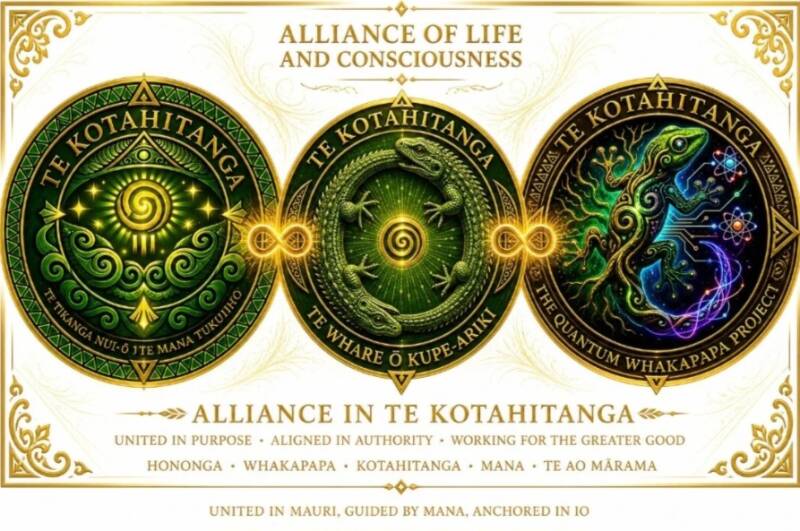
Te Kiritangata - The Inner Palisade, A legal action to reclaim Tino Rangatiratanga
Te Whare Atua Ō IO Atua Ariki Tapu
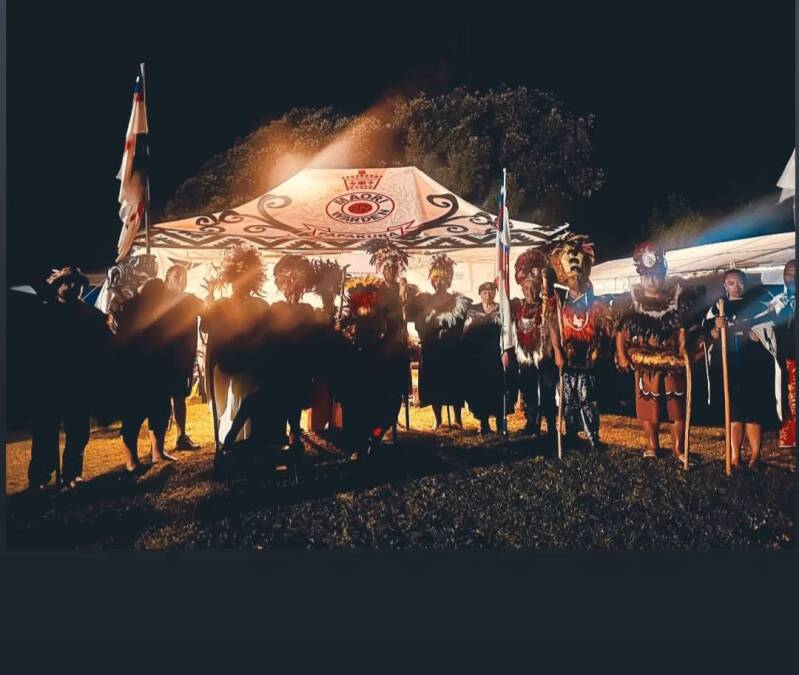
Ngā Whare Ariki Ō Te Moana Nui ā Hīva
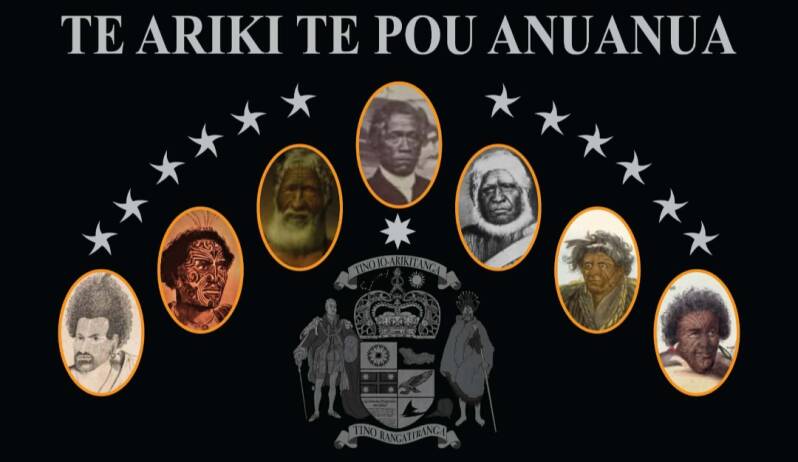
Ngā Manukura Ō Te Wakaminenga
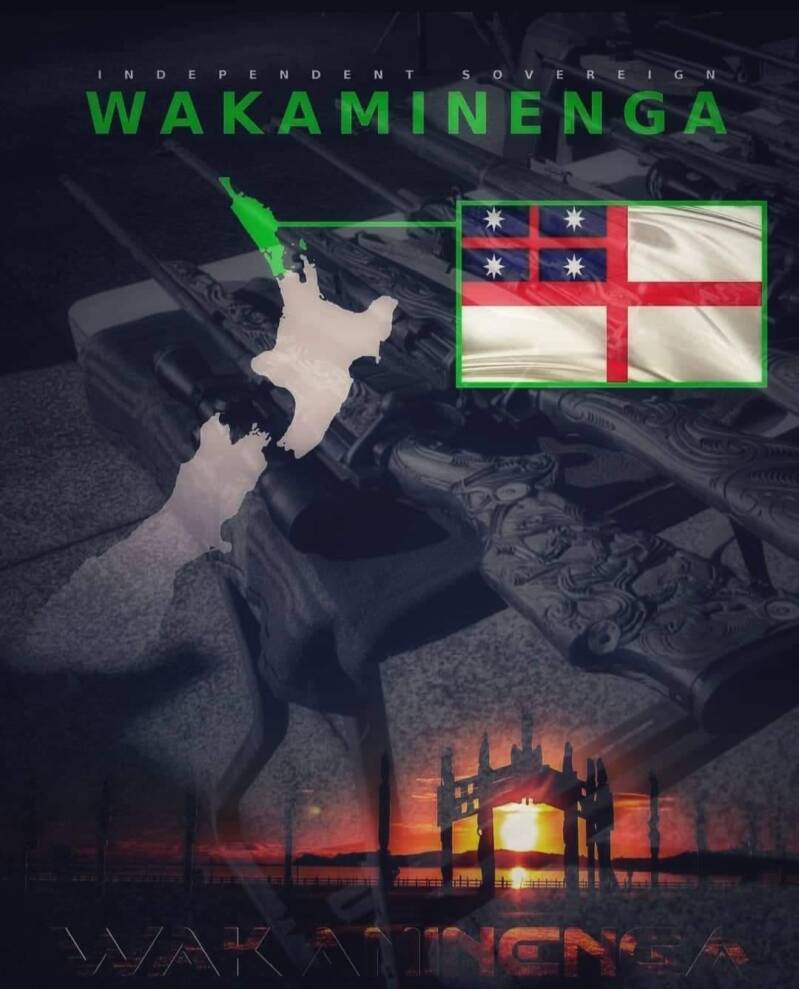
Te Wakaminenga Ō Ngā Hapū
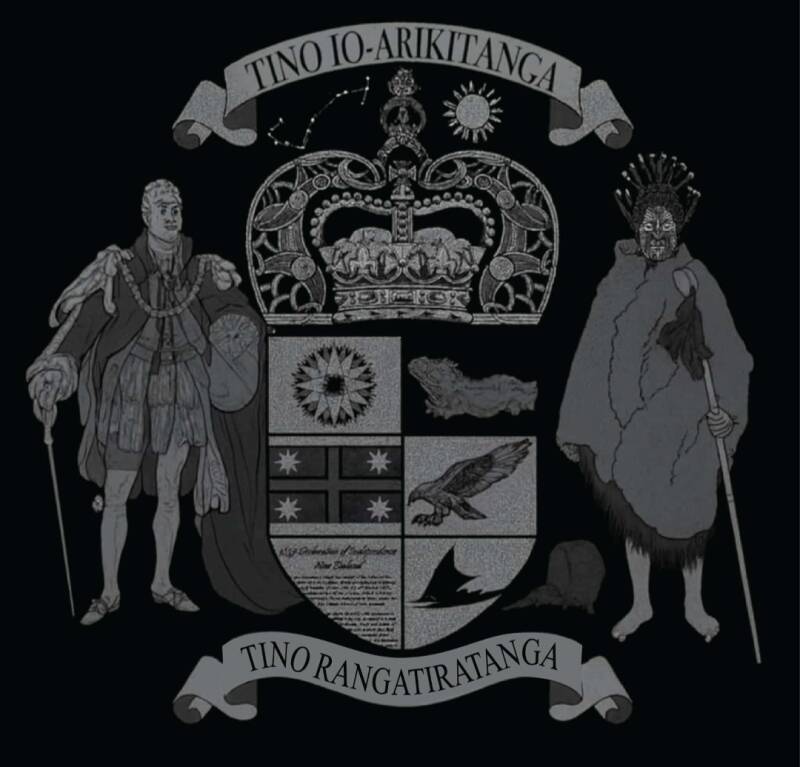
Te Tohu Ō Ngā Manukura
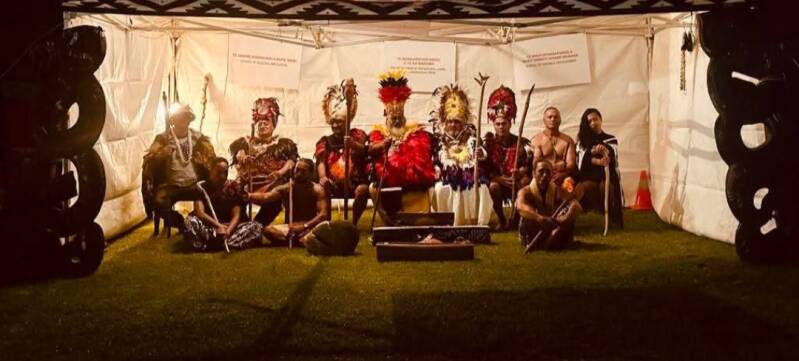
Te Heke-Tāhūhū Ō Te Whare Ō Kupe-Ariki
TE WHAKATINANATANGA Ō TE TINO RANGATIRATANGA, Te Kore to 2026
A Legal Constitutional Action Plan for the Reconstitution of the Independant Sovereign State of Te Ika ā Māui 600AD , Aotearoa 900AD , Nū Tīreni 1835
PHASE 1 — ESTABLISH THE CONSTITUTIONAL FOUNDATION, TIMELINE, CONTINUUM
The foundation of this kaupapa is the constitutional relationship between five Whare Ariki and their respective administrations:
1. Te Whare Ō Kupe-Ariki
Administration:Te Wakaminenga Ō Ngā Hapū.
2. Te Whare Ariki Ō Pōtatau Te Wherowhero Administration:Te Kīngitanga
3. Te Whare Ariki Ō Te Heuheu
Administration:Te Kapua Whakapipi
4. Te Whare Ariki Ō Tamateaarikinui
Administration:Te Rūnanga Ō Ngāti Kahungunu
5. Te Whare Ariki Ō Kai Tahu (Te Ika Pounamu)
Administration:Te Rūnanga Ō Kai Tahu
The purpose is to establish a relationship between the five Whare Ariki while preserving the distinct identity, inherited authority, independence and administration of each. The intention is unity without absorption, cooperation without surrendering authority, and a constitutional relationship that recognises the respective standing of each Whare Ariki.
PHASE 2 — ESTABLISH THE FIVE-WHARE ARIKI FAKATAU AROHA - ALLIANCE
Formally approach the five Whare Ariki and present the proposed constitutional continuum. The initial approach will:
• Present the historical and constitutional foundations of the kaupapa.
• Explain the proposed relationship between the five Whare Ariki.
• Confirm that each Whare Ariki retains its own identity and authority.
• Invite each Whare Ariki to identify its authorised representatives.
• Establish a joint working relationship for progressing the constitutional kaupapa.
• Develop agreed principles for cooperation, communication and collective action.The purpose is to establish the relationship before proceeding to the wider constitutional gatherings.
PHASE 3 — CONVENE THE 150 NGĀPUHI HAPŪ
Convene all 150 Ngāpuhi hapū at Tau Rangatira / Waitangi. The gathering will provide an opportunity for every hapū to participate directly in the proposed reconstitution of Te Wakaminenga Ō Ngā Hapū. Each hapū will be invited to:
• Identify its authorised Ariki, Rangatira, Tohunga or representatives.
• Confirm its whakapapa and inherited authority.
• Confirm its hapū identity and constitutional standing.
• Identify its representative for the proposed assembly.
• Determine its own position and decisions through its recognised processes.
The objective is to establish 150 hapū seats within Te Wakaminenga Ō Ngā Hapū. Each hapū retains its own authority, identity, whenua, boundaries and decision-making responsibilities. No hapū is to be absorbed into another hapū or have its authority displaced by a central administration.
PHASE 4 — RENEW CONSTITUTIONAL ALLEGIANCE TO HE WHAKAPUTANGA
The original He Whakaputanga o te Rangatiratanga o Nu Tireni of 1835 will remain the foundational constitutional document. The process will include:
• Preserving and acknowledging the original Declaration.
• Reaffirming the constitutional principles established by the rangatira.
• Recognising the authority of Te Wakaminenga.
• Establishing the contemporary participation of the 150 Ngāpuhi hapū.
• Preparing a new constitutional parchment recording the renewed commitment of participating Ariki Rangatira.
The new parchment will record the names of the participating rangatira, their respective hapū and the authority under which they participate. The original Declaration will not be replaced. The new parchment will record the contemporary continuation of the constitutional kaupapa.
PHASE 5 — INVITE OTHER SIGNATORY AND CONSTITUTIONAL HOUSES
The constitutional gathering will extend beyond Ngāpuhi to other participating Whare Ariki, iwi and hapū connected to the historical constitutional foundations. There will be 154 seats plus any other hapū who wants to participate. Invitations will include:
Te Whare Ariki Ō Pōtatau (Te Wherowhero)
Recognising the historical relationship of Pōtatau Te Wherowhero as a signatory of He Whakaputanga and the proposed alliance between the Whare Ariki.
Te Whare Ariki Ō Tamatearikinui (Ngāti Kahungunu)
Recognising the historical participation of Te Hāpuku Te Ika Ō Te Moana as a signatory and extending an invitation to Ariki Ngāhiwi Tomoana.
Te Whare Ariki Ō Kai Tahu (Te Ika Pounamu)
Recognising the constitutional connection through Tūhawaiki and extending an invitation to participate.
Other signatory hapū, iwi and Whare Ariki will also be invited to participate. Participation will remain open to those who wish to renew or establish their constitutional relationships through the kaupapa.
Te Whare Ariki Ō Te Heuheu
Recognising the participation of Iwikau Te Heuheu as a Manukura Ō Te Wakaminenga
Ngā hapū katoa Ō Aotearoa, Nū Tīreni that wish to sign both covenents 1835 and 1840.
PHASE 6 — REPEAT THE CONSTITUTIONAL PROCESS FOR TE TIRITI O WAITANGI
A second constitutional gathering will be convened at Mangungu, Hokianga, in relation to Te Tiriti o Waitangi. The purpose is to bring the historical Treaty process and the contemporary constitutional renewal together. The gathering will:
• Bring forward the historical Te Tiriti o Waitangi document.
• Recognise the Māori text and its constitutional language.
• Acknowledge the rangatira who signed at Waitangi, Waimate and Mangungu.
• Recognise the significance of the Mangungu signing and the participation of Ngāpuhi rangatira.
• Reaffirm the constitutional position of the participating hapū.
• Prepare a separate contemporary parchment recording the renewed commitment of participating rangatira.
The original historical documents will remain preserved. The contemporary parchment will provide a record of the renewed constitutional commitment. The 154 seats sign and any other hapū that wants to sign 1835 and 1840.
PHASE 7 — ESTABLISH THE CONSTITUTIONAL GOVERNANCE STRUCTURE
Following the two constitutional gatherings, establish the working governance relationship between the participating Whare Ariki and hapū. The proposed structure will include:
The Five Whare Ariki
Each retaining its own authority, administration, identity and responsibilities.
Te Wakaminenga Ō Ngā Hapū
The proposed independent assembly of 150 Ngāpuhi hapū, with each hapū holding its own seat and representation. This could be adopted by the other four Whare Ariki also
The Wider Constitutional Continuum
A wider relationship connecting participating Whare Ariki, iwi, hapū and signatory houses through the constitutional foundations of He Whakaputanga and Te Tiriti. The structure will establish clear responsibilities, representation, decision-making processes and procedures for cooperation while preserving the independence of each participating authority.
PHASE 8 — RECOGNISE HAPŪ TERRITORIES AND INHERITED AUTHORITY
The constitutional reconstitution must be connected to the whenua and ancestral territories of the participating hapū. Each hapū will be able to record:
• Its whakapapa and ancestral lines.
• Its traditional territories and boundaries.
• Its inherited authority and responsibilities.
• Its whenua, waterways, resources and customary interests.
• Its historical relationships with neighbouring hapū.
• Its position concerning the return and restoration of ancestral territories.
The objective is to establish a hapū-led approach to territorial authority, whenua management, resource management and economic development. Financial settlements or compensation are not to be treated as automatically equivalent to the restoration of ancestral land, authority or jurisdiction.
PHASE 9 — FORMAL NOTIFICATION AND CONSTITUTIONAL ENGAGEMENT
Once the constitutional gatherings and records have been completed, prepare a consolidated constitutional notification. This will bring together:
• The historical foundations of He Whakaputanga.
• The historical foundations of Te Tiriti o Waitangi.
• The five participating Whare Ariki and their administrations.
• The 150 hapū and their authorised representatives.
• The renewed constitutional parchments.
• The record of participation, mandates and signatures.
• The proposed governance and implementation structure.
• The relevant findings of the Waitangi Tribunal.
The consolidated record will be formally presented to the British Crown and the New Zealand Government. The proposed process will provide a six-month period for constitutional engagement and response. The purpose is to place the constitutional position and proposed pathway formally before the relevant parties.
PHASE 10 — IMPLEMENTATION AND LONG-TERM DEVELOPMENT
The final phase is the practical implementation of the constitutional structure. This will include:
Hapū Governance
Establishing the independent governance and administration of participating hapū.
Whare Ariki Relationships
Maintaining the constitutional relationship between the three Whare Ariki and other participating houses.
Territorial Restoration
Progressing the recognition, restoration and return of ancestral territories.
Hapū-Led Economy
Developing economic infrastructure, resources, assets and opportunities under hapū authority.
Resource Management
Establishing hapū-led management of whenua, waterways, natural resources and inherited assets.
Constitutional InfrastructureDeveloping the administrative, legal, historical and institutional infrastructure required to maintain the constitutional continuum.
Inter-House Relationships
Maintaining relationships between participating Whare Ariki, iwi and hapū.
Historical Preservation
Protecting the original constitutional documents, contemporary parchments, records, whakapapa and historical evidence for future generations.
PROPOSED IMPLEMENTATION SEQUENCE
The constitutional action plan will proceed in the following order:
1. Establish the constitutional foundation and relationship between the five Whare Ariki.
2. Formally approach Te Whare Ō Kupe-Ariki, Te Whare Ariki Ō Pōtatau, Te Whare Ariki Ō Te Heuheu, Te Whare Ō Tamateaarikinui and Te Whare Ariki Ō Kai Tahu
3. Establish the proposed five-Whare Ariki Alliance and identify authorised representatives.
4. Convene the 150 Ngāpuhi hapū at Tau Rangatira / Waitangi.
5. Establish the proposed 150 seats within Te Wakaminenga Ō Ngā Hapū.
6. Renew constitutional allegiance to He Whakaputanga and preserve the original Declaration.
7. Prepare the new constitutional parchment for participating Ariki Rangatira to sign.
8. Invite other signatory and constitutional houses, including Ngāti Kahungunu, Kai Tahu Te Ika Pounamu, Ngāti Tūwharetoa, Ngā Hapū Ō Aotearoa
9. Convene the second constitutional gathering at Mangungu in relation to Te Tiriti o Waitangi.
10. Establish the constitutional governance structure connecting the five Whare Ariki, Te Wakaminenga Ō Ngā Hapū and the wider participating houses.
11. Record hapū territories, whakapapa, inherited authority and aspirations for the restoration of ancestral whenua.
12. Prepare and formally present the consolidated constitutional notification to the British Crown and New Zealand Government.
13. Progress the proposed six-month period of constitutional engagement.
14. Begin implementation of hapū governance, territorial restoration, economic development and long-term constitutional infrastructure.
THE OVERALL CONSTITUTIONAL OBJECTIVE
This kaupapa is not simply an historical commemoration. It is a proposed constitutional reconstitution connecting the ancestral, historical and contemporary foundations of rangatiratanga.
The objective is to establish a peaceful constitutional pathway through which the participating Whare Ariki retain their own authority, the 150 Ngāpuhi hapū exercise independent representation and decision-making, and the wider constitutional relationships are renewed within their independent sovereign state. The kaupapa is founded on the principle that the authority of hapū and Whare Ariki must remain with those who hold their respective inherited responsibilities.